
2.7.26

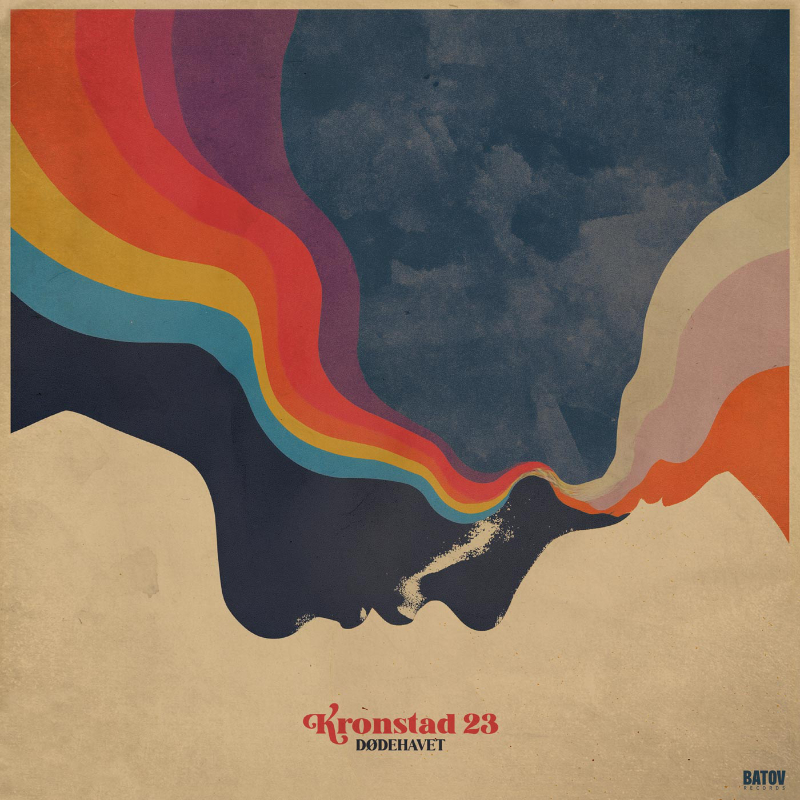
Kronstad 23 - Dødehavet (Batov Records)

🌍 PR / Radio campaign x Kronstad 23's new album.

Kronstad 23 return with Dødehavet, the Norwegian quartet’s third album and first release on Batov Records

Continuing their instinctive, analogue-led approach, the record sits between cinematic jazz and psychedelic rock, threaded with Scandinavian folk and wider global influences. Recorded live to tape with minimal preparation and no modern studio intervention, Dødehavet captures a band working on feel, interaction and momentum rather than polish or precision. 

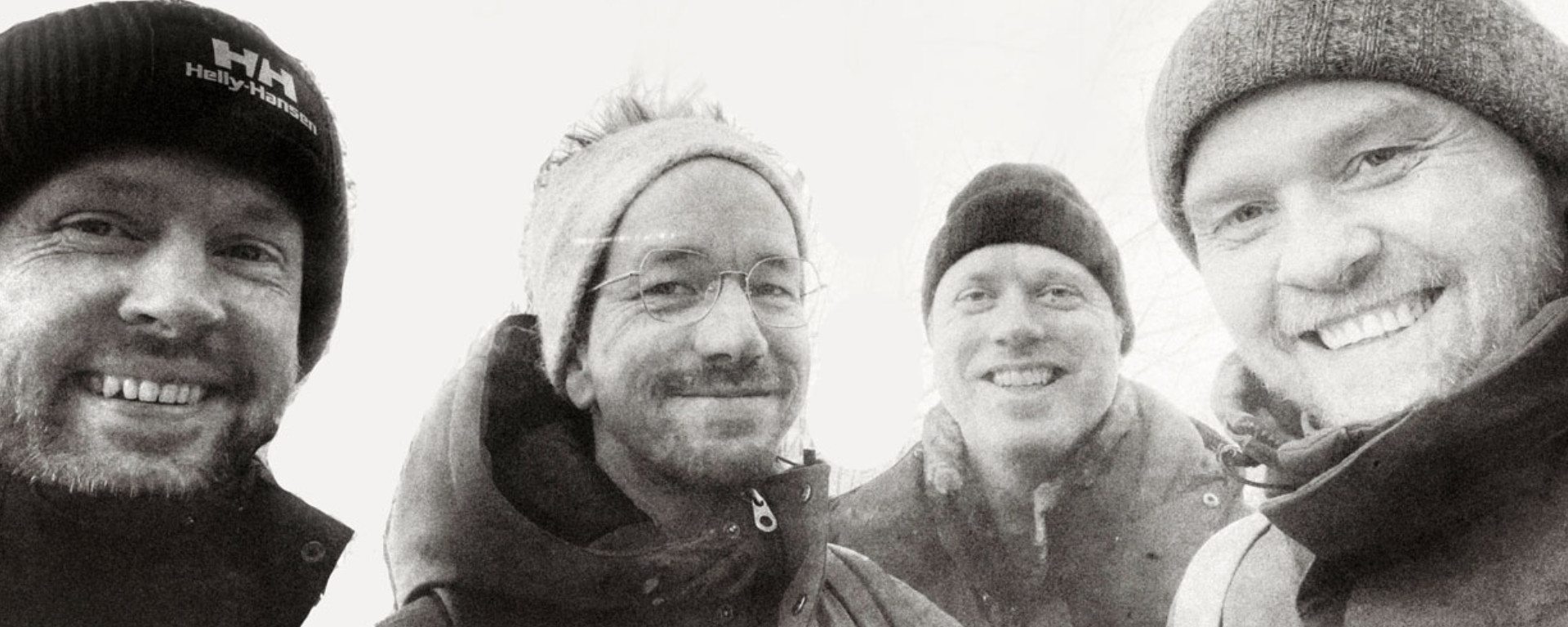
Despite living at opposite ends of Norway, old friends Øyvind Arnodd Vie Berg (keys), Alexander Tøsdal Tveit (guitar, sitar), Eirik Rømcke (bass) and Hans Christian Dalgaard (drums, percussion) conceived the album almost casually, sketching the idea of a reunion over a drink before committing quickly to writing and recording. Sessions took place at Berg’s home studio in Bergen, with the quartet working fast, relying on intuition and shared musical language rather than extensive rehearsal or post-production.

The group’s first two albums earned rave reviews from Record Collector, Prog Magazine and Sweden’s Lira, with Record Collector praising their “funky, atmospheric and understated” sound and describing the debut as “one of the warmest gatherings of instrumental jazz to be heard this year”. 

On Dødehavet, Kronstad 23 lean more decisively towards groove and collective propulsion, expanding their palette without sacrificing the immediacy that defines their sound. While still largely recorded in single takes, the album is given added heat by contributions from saxophonists Håvar Skaugen and Inge Weatherhead Breistein

Recorded with all four core musicians playing together in the same room, Dødehavet avoids sterile production in favour of a raw, direct sound. Tracks typically begin with a simple idea — a bassline, melody or chord sequence — before being allowed to unfold naturally through collective playing. Most pieces were captured in one or two takes using a 50-year-old mixing console and tape recorder, deliberately resisting contemporary studio techniques to preserve a timeless, lived-in character. 

Kronstad 23 operate with a deliberately low-pressure dynamic. The quartet meets only a handful of times each year and rarely rehearses in a conventional sense, instead trusting shared instincts and keeping structures loose. The project’s name nods to Afrobeat-era band naming conventions, with ‘23’ marking the year the project came into focus and Kronstad referencing the Bergen neighbourhood where the group’s first sessions took place. While Afrobeat is only one strand in their sound, the name reflects openness rather than fixed identity. 

At its core, Dødehavet is about process rather than statement — music shaped by listening, restraint and collective momentum. Jazz, soul, folk, Afrobeat, rock and raga merge into a single, unforced language, captured in real time and left largely untouched. Despite growing international acclaim, Kronstad 23 have yet to perform live; for now, the studio remains both meeting place and laboratory for their evolving creative chemistry. 

Kronstad 23’s Dødehavet pulses with live energy: hypnotic grooves, analogue warmth, and cinematic jazz- rock that grows with every listen. 
Kronstad 23 - Dødehavet

Kronstad 23 - Dødehavet (Batov Records)

🌍 PR / Radio campaign x Kronstad 23's new album.

Kronstad 23 return with Dødehavet, the Norwegian quartet’s third album and first release on Batov Records

Continuing their instinctive, analogue-led approach, the record sits between cinematic jazz and psychedelic rock, threaded with Scandinavian folk and wider global influences. Recorded live to tape with minimal preparation and no modern studio intervention, Dødehavet captures a band working on feel, interaction and momentum rather than polish or precision. 

Despite living at opposite ends of Norway, old friends Øyvind Arnodd Vie Berg (keys), Alexander Tøsdal Tveit (guitar, sitar), Eirik Rømcke (bass) and Hans Christian Dalgaard (drums, percussion) conceived the album almost casually, sketching the idea of a reunion over a drink before committing quickly to writing and recording. Sessions took place at Berg’s home studio in Bergen, with the quartet working fast, relying on intuition and shared musical language rather than extensive rehearsal or post-production.

The group’s first two albums earned rave reviews from Record Collector, Prog Magazine and Sweden’s Lira, with Record Collector praising their “funky, atmospheric and understated” sound and describing the debut as “one of the warmest gatherings of instrumental jazz to be heard this year”. 

On Dødehavet, Kronstad 23 lean more decisively towards groove and collective propulsion, expanding their palette without sacrificing the immediacy that defines their sound. While still largely recorded in single takes, the album is given added heat by contributions from saxophonists Håvar Skaugen and Inge Weatherhead Breistein

Recorded with all four core musicians playing together in the same room, Dødehavet avoids sterile production in favour of a raw, direct sound. Tracks typically begin with a simple idea — a bassline, melody or chord sequence — before being allowed to unfold naturally through collective playing. Most pieces were captured in one or two takes using a 50-year-old mixing console and tape recorder, deliberately resisting contemporary studio techniques to preserve a timeless, lived-in character. 

Kronstad 23 operate with a deliberately low-pressure dynamic. The quartet meets only a handful of times each year and rarely rehearses in a conventional sense, instead trusting shared instincts and keeping structures loose. The project’s name nods to Afrobeat-era band naming conventions, with ‘23’ marking the year the project came into focus and Kronstad referencing the Bergen neighbourhood where the group’s first sessions took place. While Afrobeat is only one strand in their sound, the name reflects openness rather than fixed identity. 

At its core, Dødehavet is about process rather than statement — music shaped by listening, restraint and collective momentum. Jazz, soul, folk, Afrobeat, rock and raga merge into a single, unforced language, captured in real time and left largely untouched. Despite growing international acclaim, Kronstad 23 have yet to perform live; for now, the studio remains both meeting place and laboratory for their evolving creative chemistry. 

Kronstad 23’s Dødehavet pulses with live energy: hypnotic grooves, analogue warmth, and cinematic jazz- rock that grows with every listen. 
Kronstad 23 - Dødehavet (Batov Records)

🌍 PR / Radio campaign x Kronstad 23's new album.

Kronstad 23 return with Dødehavet, the Norwegian quartet’s third album and first release on Batov Records

Continuing their instinctive, analogue-led approach, the record sits between cinematic jazz and psychedelic rock, threaded with Scandinavian folk and wider global influences. Recorded live to tape with minimal preparation and no modern studio intervention, Dødehavet captures a band working on feel, interaction and momentum rather than polish or precision. 

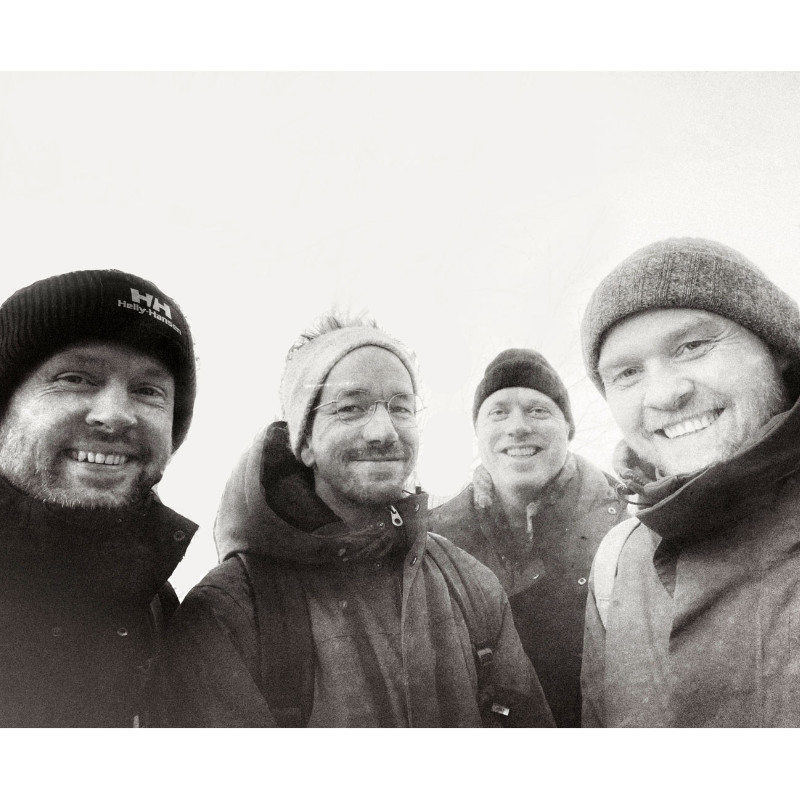
Despite living at opposite ends of Norway, old friends Øyvind Arnodd Vie Berg (keys), Alexander Tøsdal Tveit (guitar, sitar), Eirik Rømcke (bass) and Hans Christian Dalgaard (drums, percussion) conceived the album almost casually, sketching the idea of a reunion over a drink before committing quickly to writing and recording. Sessions took place at Berg’s home studio in Bergen, with the quartet working fast, relying on intuition and shared musical language rather than extensive rehearsal or post-production.

The group’s first two albums earned rave reviews from Record Collector, Prog Magazine and Sweden’s Lira, with Record Collector praising their “funky, atmospheric and understated” sound and describing the debut as “one of the warmest gatherings of instrumental jazz to be heard this year”. 

On Dødehavet, Kronstad 23 lean more decisively towards groove and collective propulsion, expanding their palette without sacrificing the immediacy that defines their sound. While still largely recorded in single takes, the album is given added heat by contributions from saxophonists Håvar Skaugen and Inge Weatherhead Breistein

Recorded with all four core musicians playing together in the same room, Dødehavet avoids sterile production in favour of a raw, direct sound. Tracks typically begin with a simple idea — a bassline, melody or chord sequence — before being allowed to unfold naturally through collective playing. Most pieces were captured in one or two takes using a 50-year-old mixing console and tape recorder, deliberately resisting contemporary studio techniques to preserve a timeless, lived-in character. 

Kronstad 23 operate with a deliberately low-pressure dynamic. The quartet meets only a handful of times each year and rarely rehearses in a conventional sense, instead trusting shared instincts and keeping structures loose. The project’s name nods to Afrobeat-era band naming conventions, with ‘23’ marking the year the project came into focus and Kronstad referencing the Bergen neighbourhood where the group’s first sessions took place. While Afrobeat is only one strand in their sound, the name reflects openness rather than fixed identity. 

At its core, Dødehavet is about process rather than statement — music shaped by listening, restraint and collective momentum. Jazz, soul, folk, Afrobeat, rock and raga merge into a single, unforced language, captured in real time and left largely untouched. Despite growing international acclaim, Kronstad 23 have yet to perform live; for now, the studio remains both meeting place and laboratory for their evolving creative chemistry. 

Kronstad 23’s Dødehavet pulses with live energy: hypnotic grooves, analogue warmth, and cinematic jazz- rock that grows with every listen.